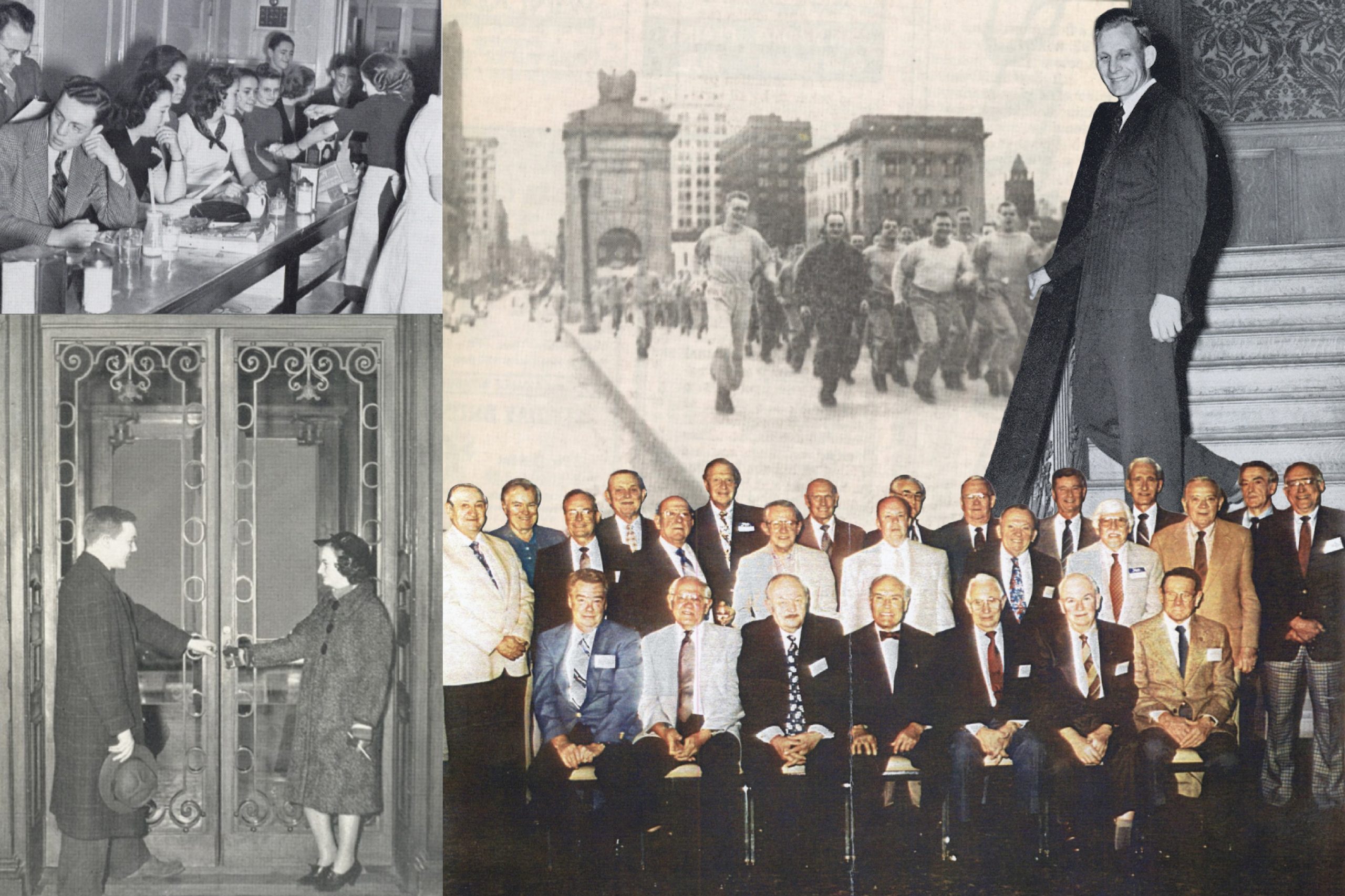
The past is becoming part of the present thanks to work being done by students working in the Wilkes University archives.
University archivist Suzanna Calev and her team of work-study students are digitizing archival materials spanning Wilkes history — a process that will allow future generations at the University and in the surrounding community to access historic documents, photos, and ephemera.
“My goal since I started here almost 8 years ago has been to open up access to this history with the hope that it increases scholarship, institutional historical knowledge, and a sense of communal identity here at Wilkes University and within the Wyoming Valley. With the students helping me, I think I’ve been able to accomplish that,” Calev says.
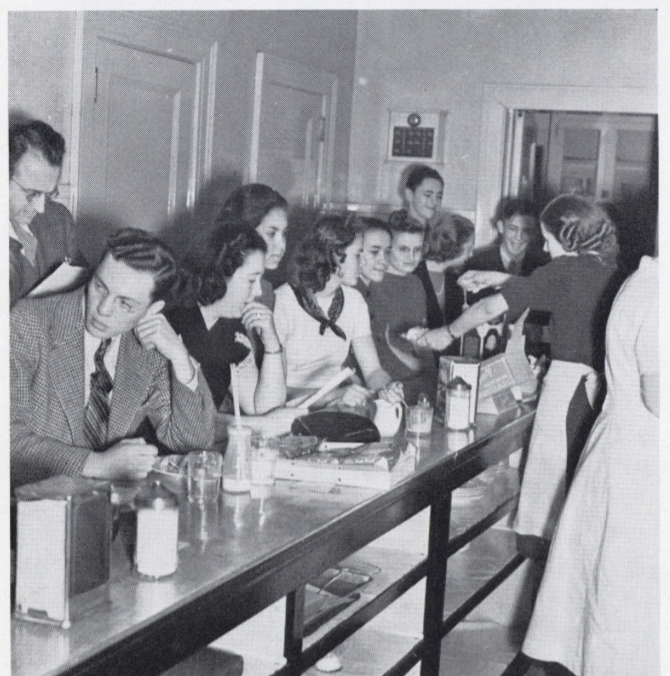
Since 2018, Calev and her students have digitized 17 collections. They include The Beacon, Wilkes yearbooks, commencement files, Manuscript literary magazine, the Admiral Harold Stark Collection, the Arnaud C. and Anne Cartwright Martz Collection, and the Gilbert Stuart McClintock collection, among many others.
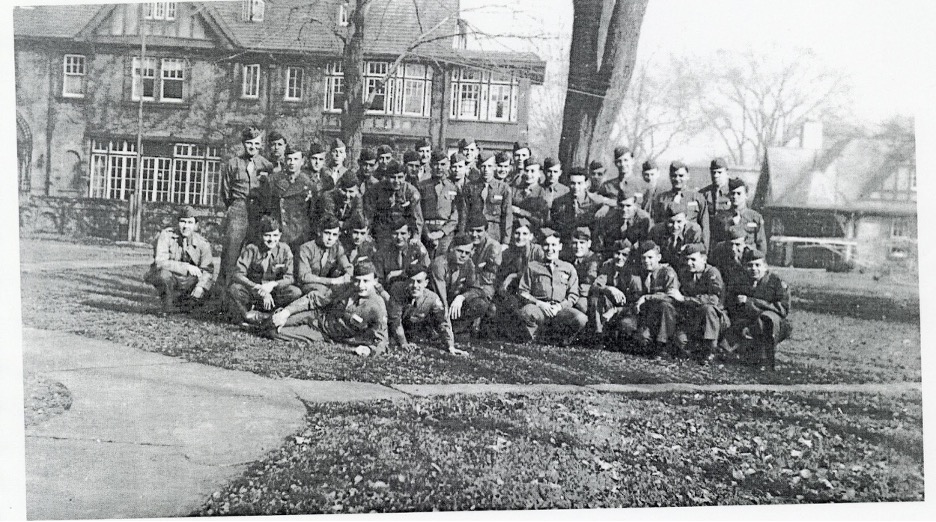
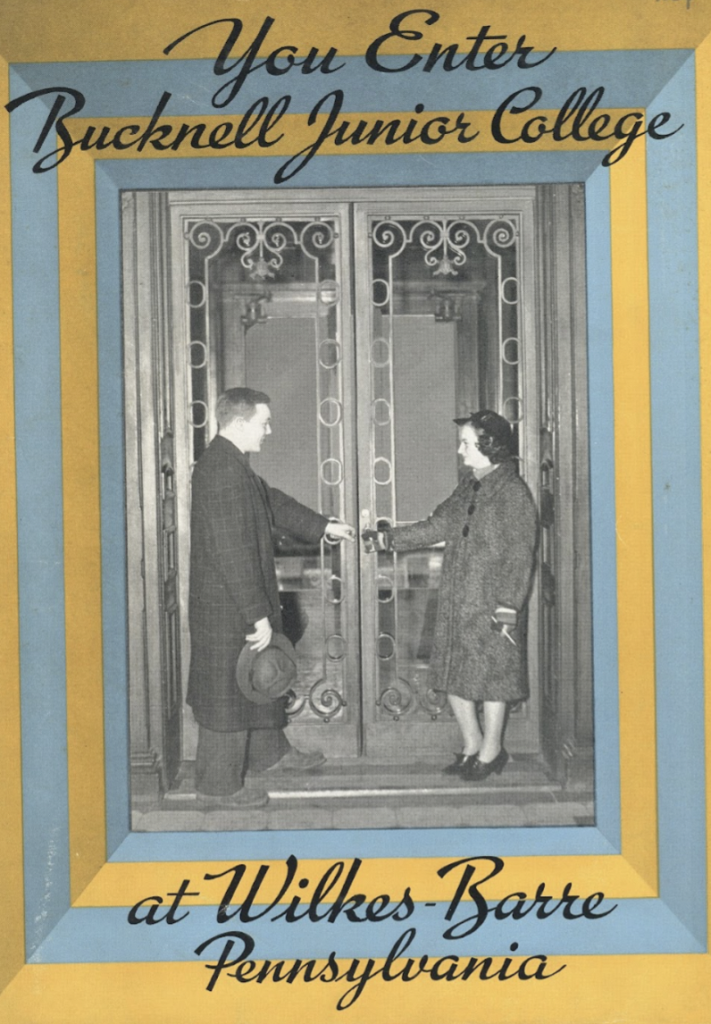
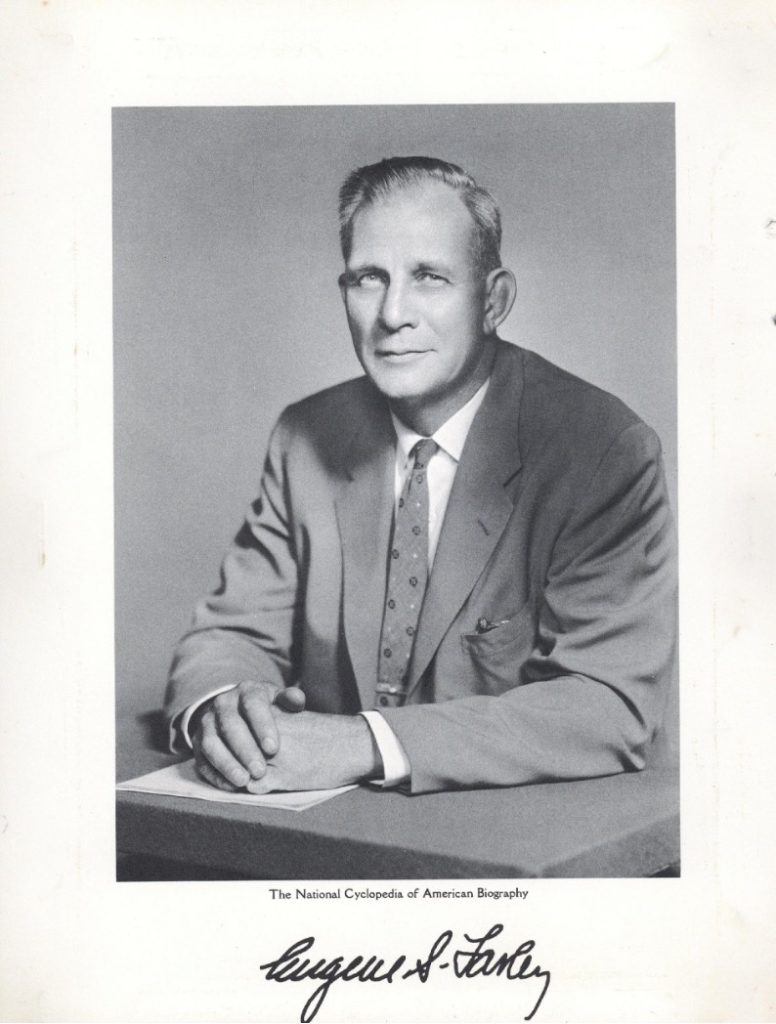
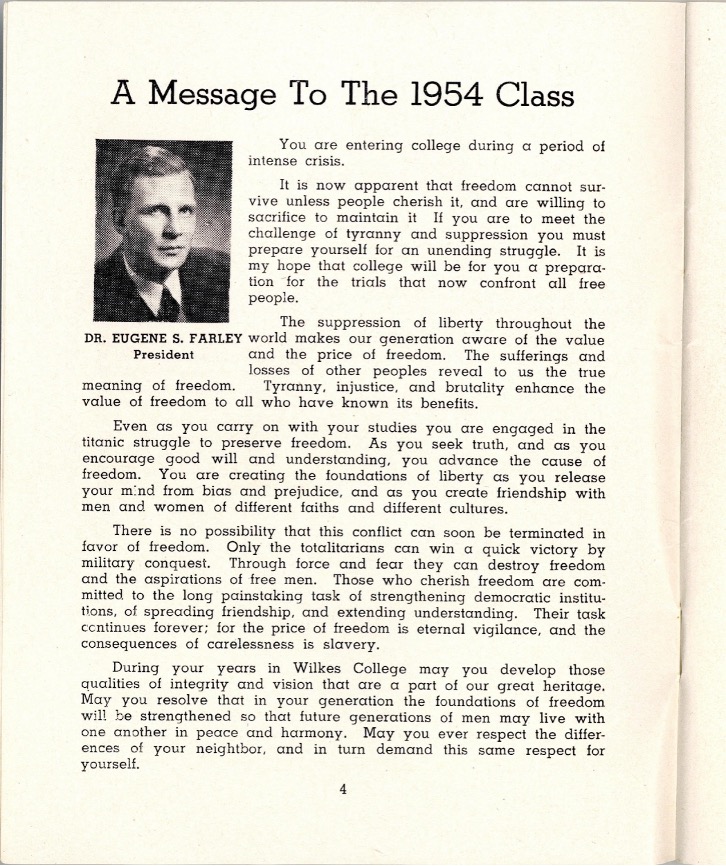
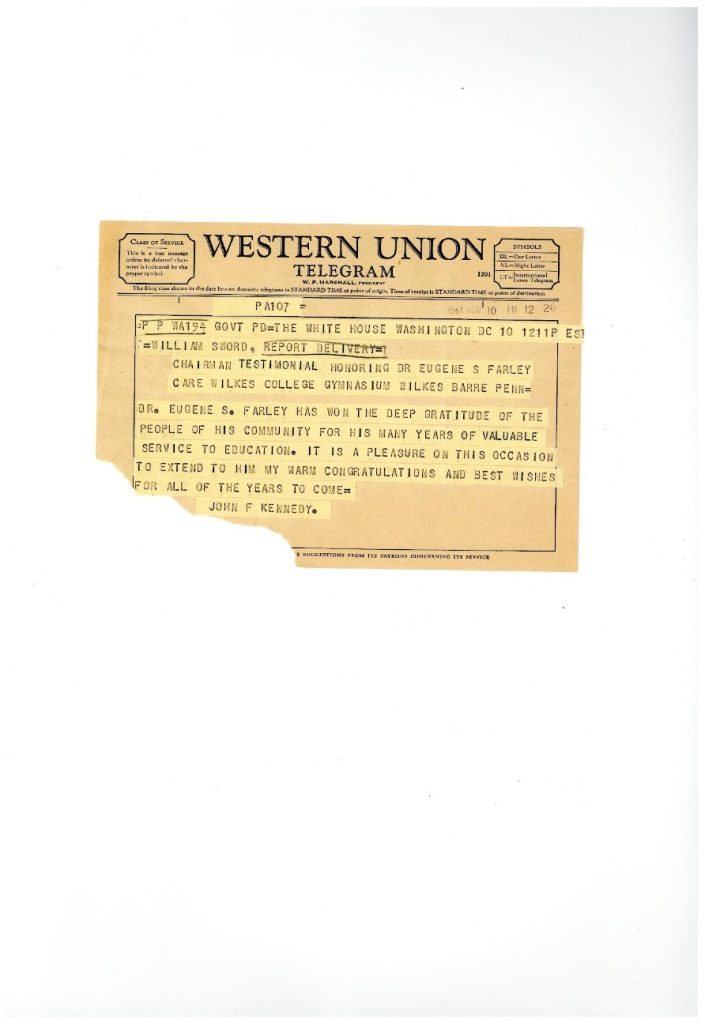
During the spring semester, students worked on collections for the Wilkes Conservatory, founding President Eugene Farley, and the Army Air Corps 6th College Training Detachment – known as the Flyboys – which trained at Bucknell University Junior College (the forerunner of Wilkes) during World War II. The digital archives can be accessed on the Wilkes website.
A Painstaking Process
Hundreds of hours go into organizing and digitizing decades of materials. Calev and her students use birds-eye scanners and a flatbed Epson scanner for high quality photographs and materials.
Scanning is only part of the process. Organizing is equally important. If the origin or ownership of a collection is known– referred to as provenance by archivists – Calev and her students process them in the order intended by the owner. When it is not known, they organize the collection in a way that a researcher might want to access the materials.
Materials can be organized into series and subseries based on the medium, such as photographs, newspapers, or correspondence. If there is a particular theme or subject matter, each gets its own series or subseries. Students also create something known as a finding aid. “The finding aid is the tool that allows researchers to explore a collection, understand its historical context, learn how it’s arranged, and learn what types of materials can be found within each series or category,” Calev explains.
Access to digitized folders online is provided through the Archivesspace catalog, or through Omeka, a digital repository.
Connecting Students Past and Present
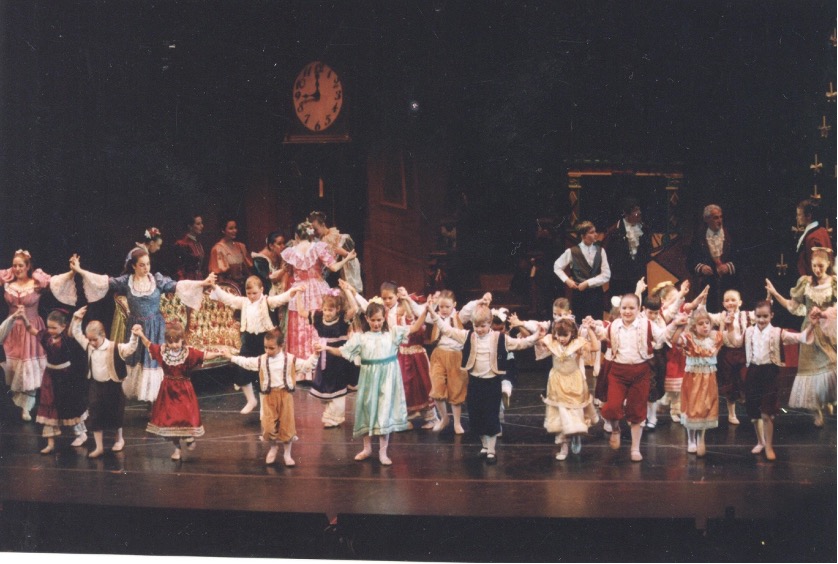
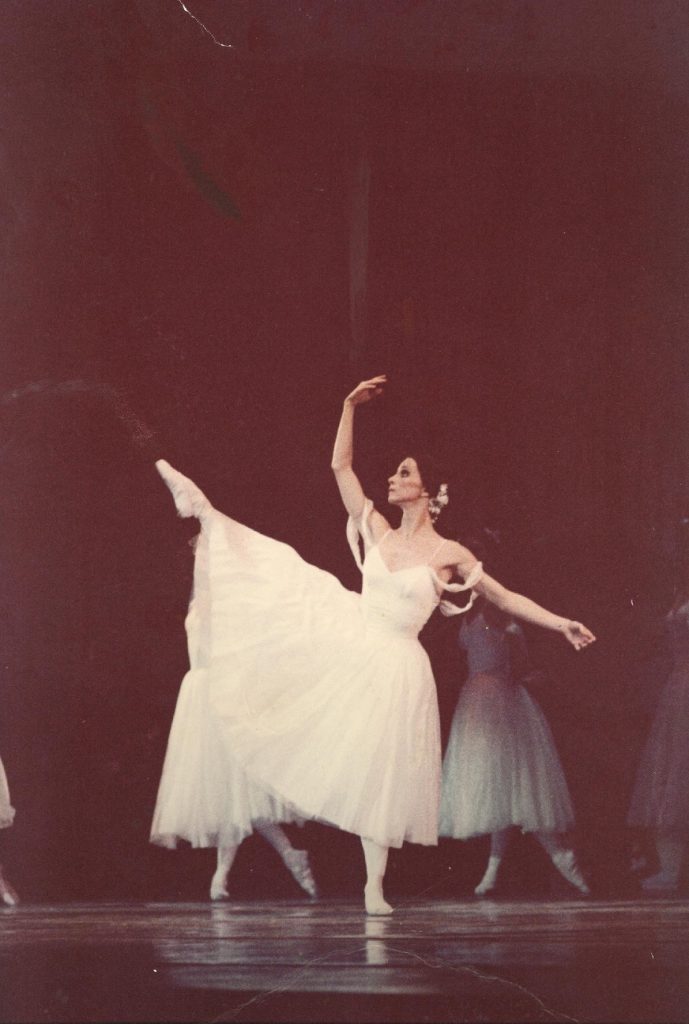
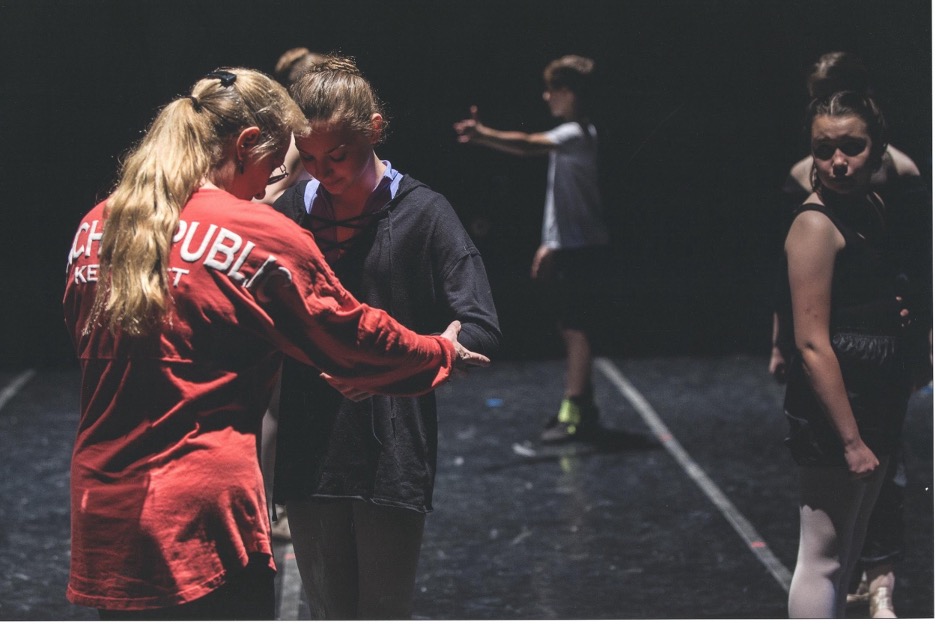
As a small library with limited resources, students provide valuable help in processing and digitizing archival materials. They are often chosen to work on materials related to their academic or personal interests. Such was the case with Maddie Meier, a May 2026 musical theatre graduate. The collection of materials related to the Wilkes Conservatory matched her interest in the performing arts.
“I love working in the archives because it is a way for me to combine my love of research and writing with my love of the art I create,” Meier says. “The contribution my collection makes to maintaining the integrity of a conservatory that I’ve interacted with very closely over the past four years is such a joyous thing to me.”
Stephanie Smith, a senior double majoring in business management and criminology, identified with the materials in the Bucknell University Junior College (BUJC) collection, which includes the Flyboys. BUJC became Wilkes University. “As a veteran, working with the Flyboys collection makes it especially meaningful, since I’m helping preserve the stories of those who served before me,” says Smith, who served in the Navy and is president of Wilkes’ Veterans Council Club.
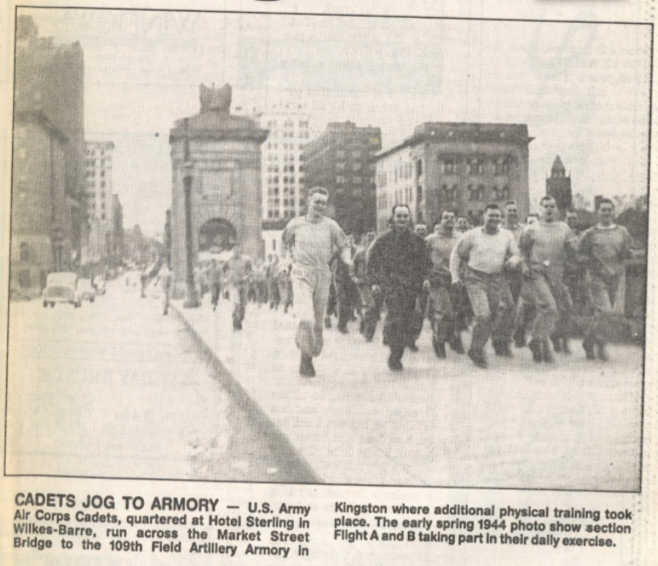
She recalls one photo showing the 6th College Training Detachment (aka the Flyboys) running down River Street with the Market Street Bridge in the background. “At first glance, it almost looks like it could have been taken today, but then you notice small details like a 1940s car, and it really transports you back in time. It creates a kind of connection between students of the past and present,” Smith says.
Smith likened working with the archives to working on a puzzle or following a treasure map. “You are piecing together information and starting to recognize names over time. Eventually, you can connect correspondence and begin to tell a story.”
Making such connections is part of what makes the work so meaningful.
“Preserving and analyzing history is valuable on its own, but it also carries forward the legacy and impact of the people who came before us. It is easy to think of history as something distant, but working in the archives makes you realize how connected it actually is. We are often only a few steps removed from these stories, even if we do not always think about it that way,” Smith says.
Students’ reflections on the work they have done digitizing the collections can be found on the Archives & Special Collections blog.
Leveraging Resources
Funds for digitizing the archives come from a variety of sources. For example, Calev received a grant from the Pennsylvania History and Museum Commission to process and digitize the Francis J. Michelini papers and Flood Recovery Task Force records to commemorate the 50th anniversary of the 1972 Agnes flood. Highlights from a campus walking tour of flood sites developed as part of the project can still be viewed online on the Wilkes website.
A community collaboration with the Lackawanna Historical Society from 2023 to 2025 involved processing and digitizing the first 12 boxes of the John Jenkins papers, a collection of early Wyoming Valley history from the 18th-19th century. Calev trained students to transcribe handwritten documents and research the collection the work was funding with grants from the University Mentoring Committee and the Lackawanna Valley Heritage Authority.
While student work is an important resource, they also benefit from working on the collections. “I train them in using research, transcription, digitization, organizational and preservation skills that can be applied across multiple industries and professions,” Calev notes.