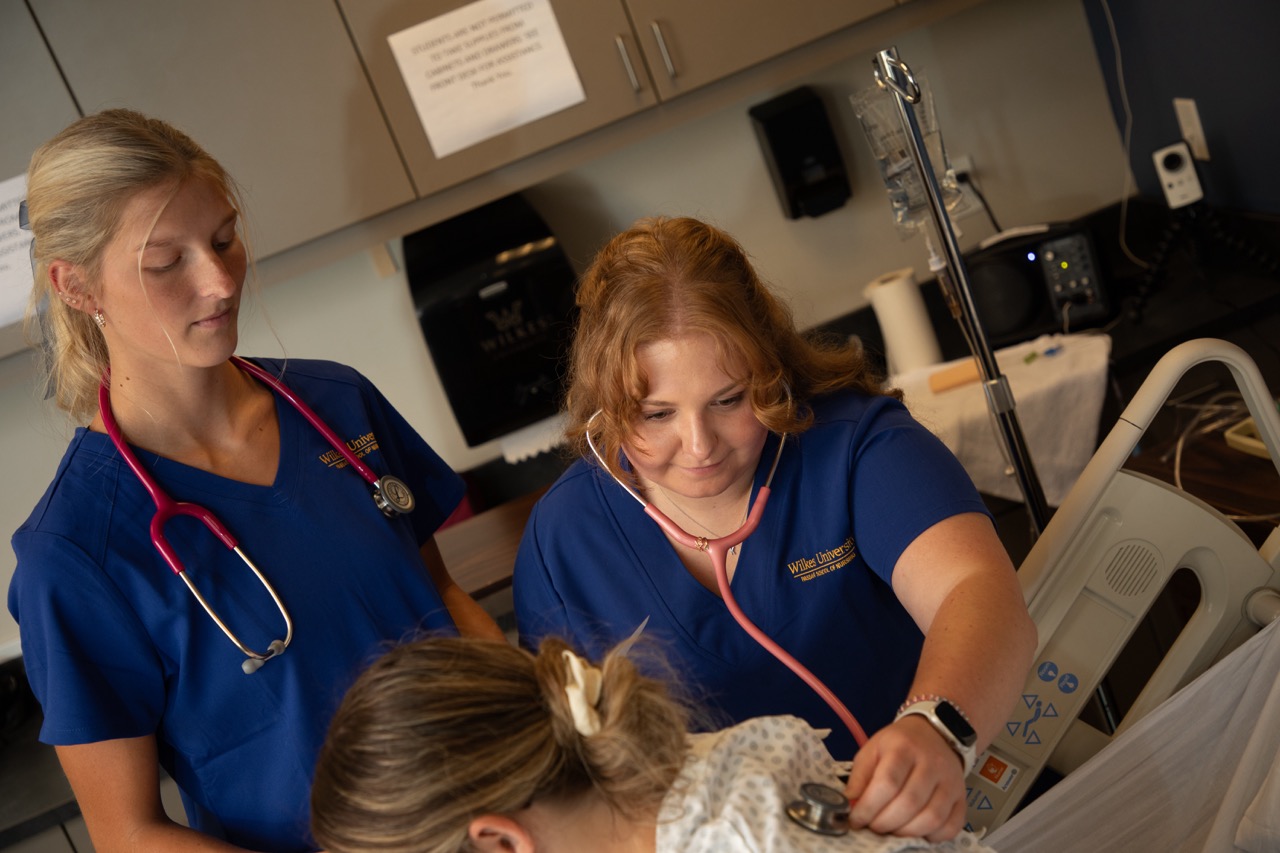
When Celia Rossini BSN ’22 earned her first bachelor’s degree in 2017 with a major in biobehavioral health, she already knew she wanted to go back to school to become a nurse. But she hesitated.
“I couldn’t face the thought of another three years of school and accumulating more debt. I needed a break,” Rossini said. For the next four years she worked as a medical case manager, coordinating treatment plans, insurance, billing and appointments. Her earlier dream of nursing “weighed on my heart” she said.
That’s when she enrolled in the Accelerated Bachelor of Science in Nursing (ABSN) Program in Wilkes University’s Passan School of Nursing. The intensive program allows students to complete a nursing degree in 15 months. Now Rossini has what she describes as her “dream job”: a nurse at Children’s Hospital of Philadelphia.
“I work in the medical surgical unit and I’ve also cross trained to the ICU and the emergency department, so I get to do a little bit of everything. I love it and I have learned so much,” says Rossini.
For students like Rossini, the ABSN is the gateway to a new career. It also helps to meet a critical need. The Health Resources and Services Administration estimates a shortage of more than 63,000 full-time registered nurses nationally and more than 8,000 in Pennsylvania by 2030.
The accelerated degree program responds to this shortage by educating students in just 15 months. “It definitely fulfills a workforce need,” says Deborah Zbegner, dean of the College of Health and Education, noting that the 90% first-time pass rate in 2025 for graduating ABSN students on the NCLEX-RN licensing exams attests to the quality of their preparation. About 75% percent of graduates work in Pennsylvania.
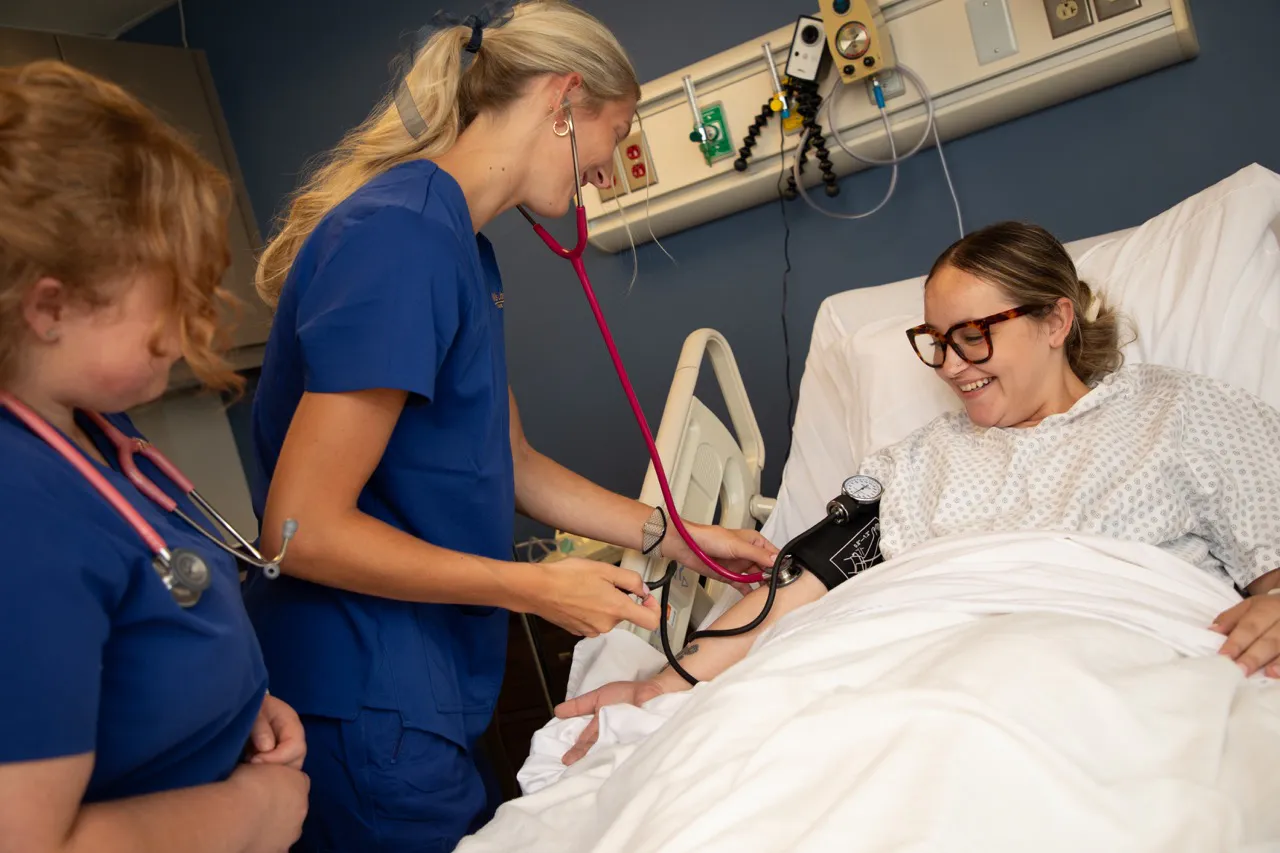
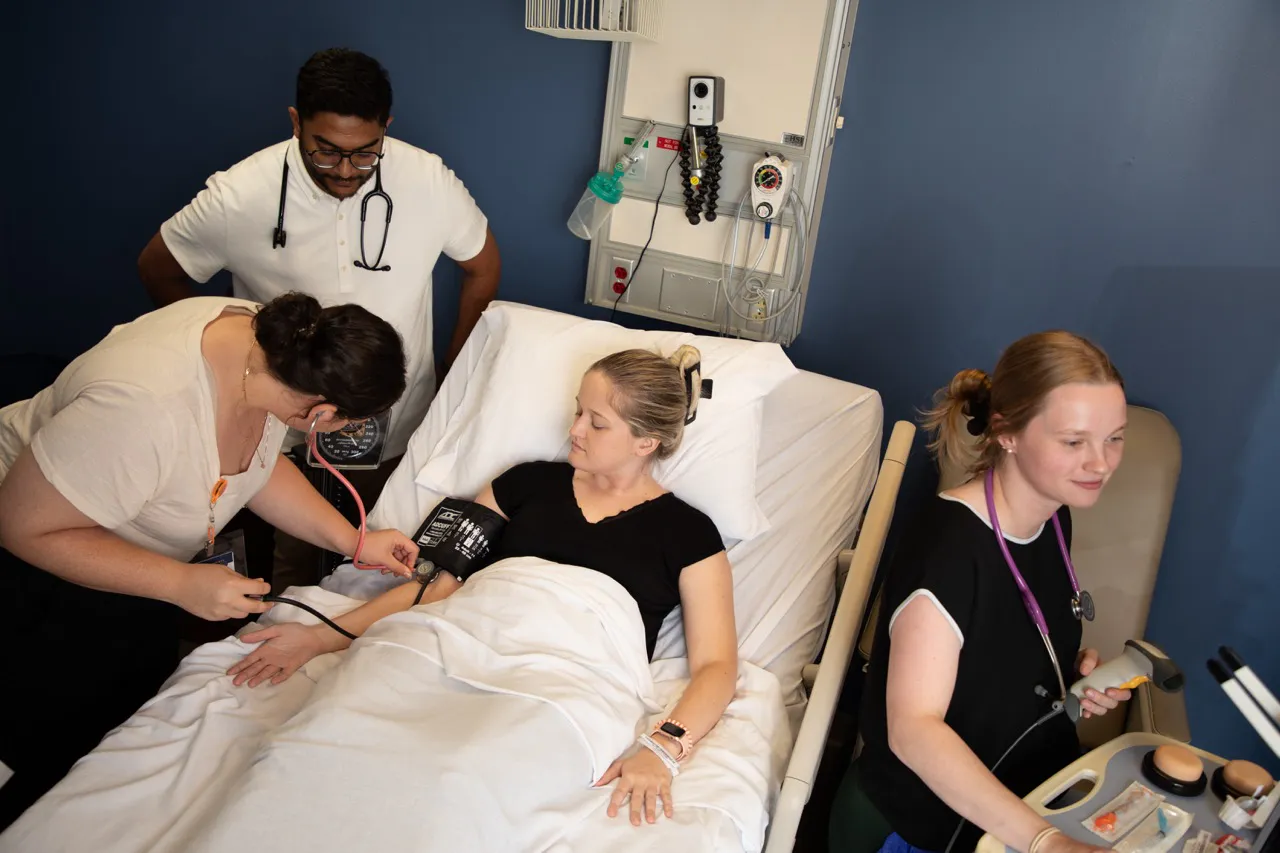
In addition to developing clinical skills like inserting catheters and taking blood pressure, the program stresses cultivating critical-thinking skills that allow nurses to better assess and monitor patients.
Katie Sunday, director of the ABSN program, says, “These types of programs are essential for the nursing shortage, because we are graduating people with critical-thinking skills at the bachelor’s degree level…They can be at the bedside, but they also can take on leadership responsibilities in the hospital.” She notes that 224 nurses have graduated from the accelerated program since she became director in 2021.
Students with a bachelor’s degree in any major can enroll. If they have not completed required pre-requisites in the sciences, anatomy and physiology, nutrition and statistics, they must do so before beginning their nursing studies. Wilkes provides access to online platforms where students can complete the requirements.
Many students enter the program with undergraduate science degrees. Others already work in healthcare in roles like Emergency Medical Technician or as an LPN. Ujash Patel BSN ’25 was a physician in his native India when he enrolled as an ABSN student. Because medical licenses from other countries may not transfer to the United States, Patel sought a way to continue his career without many years of training. The Wilkes program made it easy, he says.
“You are doing clinicals, you are having all these classes, you are writing papers at the same time, you are doing research studies. But I like the pace. I would rather do this instead of stretching it out for four years,” he says. Patel now works as a cardiovascular nurse at UAB Hospital of the University of Alabama at Birmingham and already has been admitted to its master’s degree program to become a nurse practitioner.
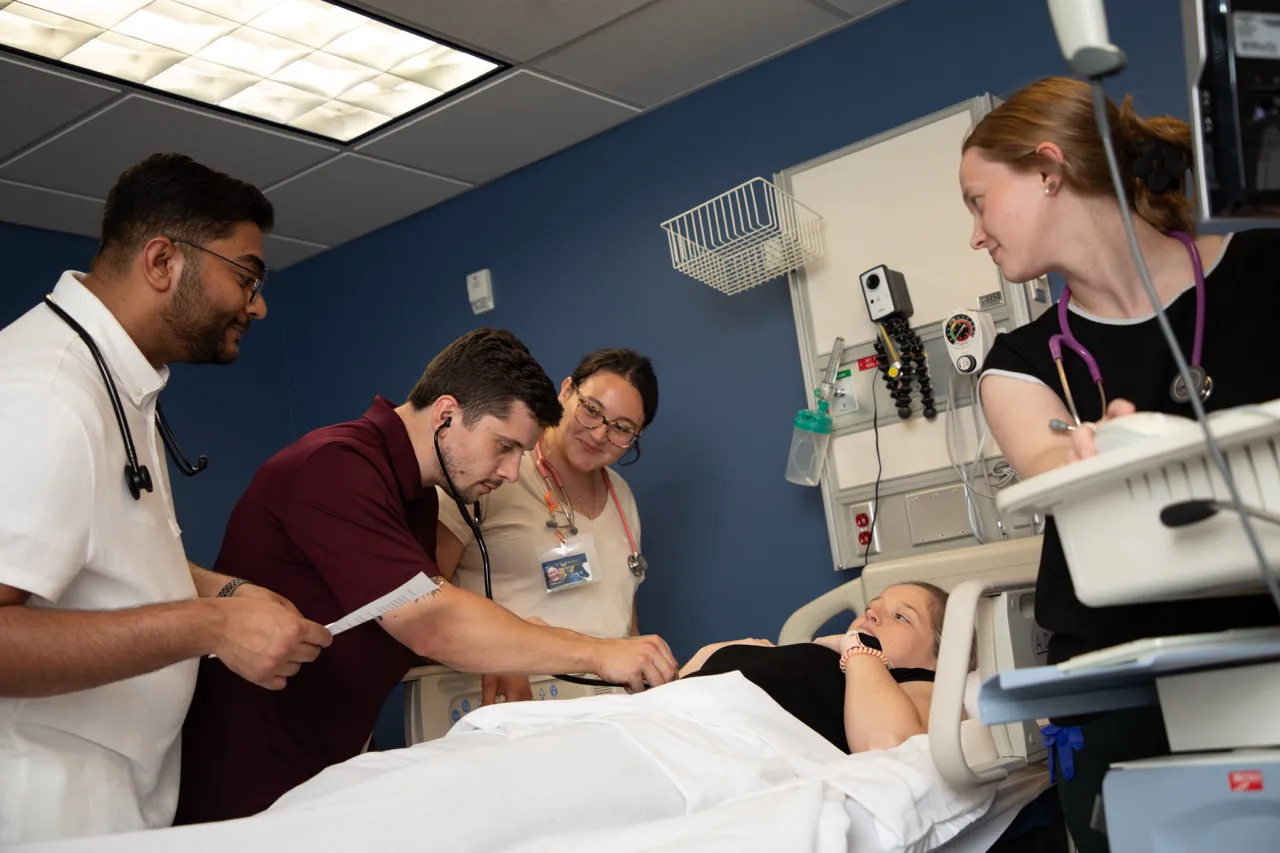
In their first semester, students take classes online taught by nursing faculty, then come to the Wilkes campus for two weeks of intensive hands-on clinical training in the Passan School’s Clinical Nursing Simulation Center. Students benefit from recent enhancements to the simulation center, including $500,000 in federal funding and $750,000 through the State of Pennsylvania’s Redevelopment Assistance Capital Program (RACP).
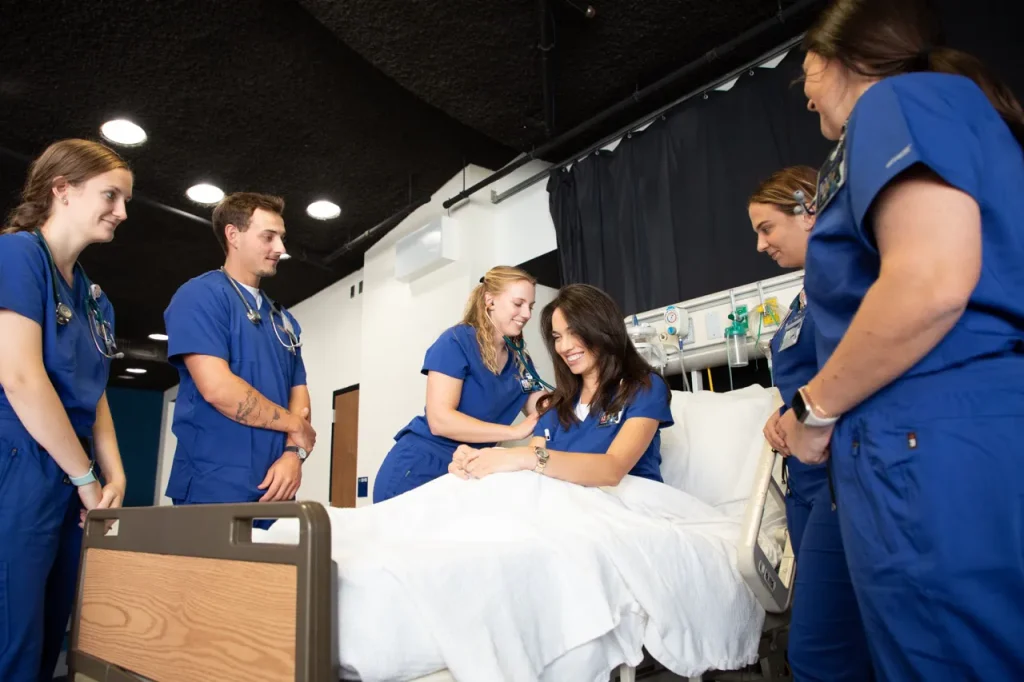
“That’s where they learn everything that they need to go into the clinical setting. We teach them sterile dressing techniques, Foley catheters, how to give medications….That’s 39 hours in our simulation lab,” Sunday says. “And then each semester, the students do a simulation experience online to just test their knowledge and test their skills.”
In subsequent semesters, they take classes online for ten weeks before transitioning to an in-person clinical experience in a hospital in weeks 11 through 14. The program’s compressed format is intense, requiring strong time management skills. Sunday counsels students to eliminate unnecessary distractions to focus on classes. She says she loves the transformation from uncertain student to professional during the program. “When they graduate, they’re a different person. They’re very confident,” she says.
Emily Parks BSN ’23 had majored in elementary education and worked in sales for 11 years when she decided to make a career change and become a nurse. The thought of going back to school was daunting, she says. “I was terrified: I hadn’t written a paper in 10 years,” she says. But she found completing pre-requisites was easy, even when it meant dissecting a fetal pig as a requirement for her biology class while her shocked children watched. She credits her supportive husband for helping her to complete her intensive year of training. Parks now works as a clinical leader on a medical surgical unit at Wilkes-Barre General Hospital. “This is what I was meant to do. This is what I will do forever,” she says.
In addition to the ABSN program, the Passan School of Nursing offers other degree programs answering the need for nurses in the evolving healthcare landscape. Besides the traditional four-year undergraduate program, the school offers master’s degrees leading to the nurse practitioner license, as well as the Doctor of Nursing Practice and a Ph.D. in nursing. Zbegner says the 2,000 students enrolled in the master’s degree programs reflect the increasing importance of nurse practitioners who can provide care due to the shortage of primary care doctors.
She adds that increasingly sophisticated technology, such as AI, does not eliminate the need for nurses. “You may have greater access to technology, information and knowledge, but the human element of nursing will not go away,” Zbegner says.