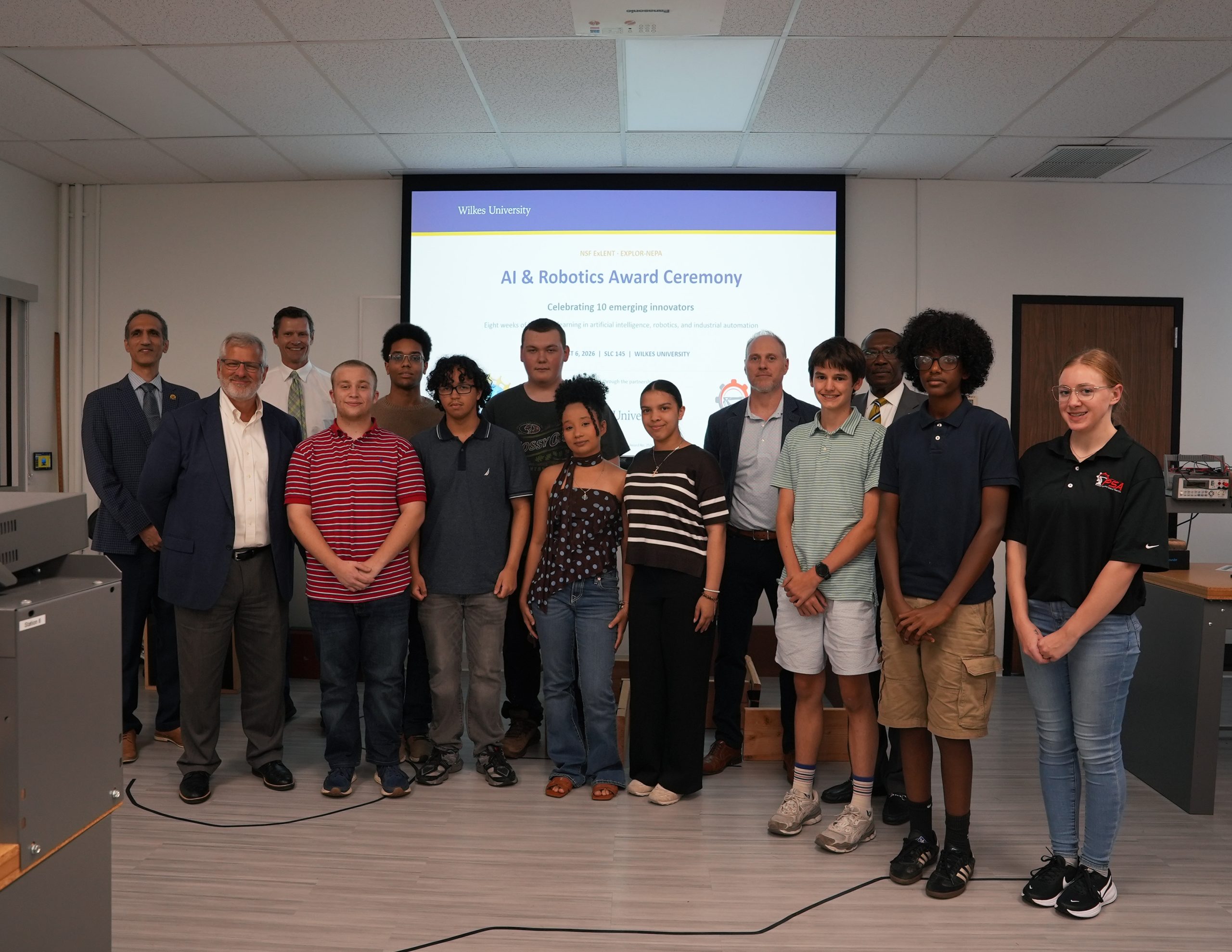
High school students enjoyed a summer of AI, robotics and discovery through Wilkes University’s EXPLOR-NEPA program
Wilkes University’s EXPLOR-NEPA (Experiential Learning for Artificial Intelligence-Driven Robotics in Northeast Pennsylvania) program is a new, three-year experiential learning initiative designed to give high school students the chance to start working in new technologies.
Funded by the National Science Foundation’s Experiential Learning for Emerging and Novel Technologies (ExLENT) program, EXPLOR-NEPA is free and provides high school students in the Wilkes-Barre and Hazleton areas the chance to explore the world of engineering, AI and robotics. Wilkes even offers eligible participants in the EXPLOR-NEPA program a $3,000 scholarship opportunity toward their first semester at Wilkes.
“Our goal with EXPLOR-NEPA is to help students see themselves not simply as learning about emerging technologies, but as becoming the engineers and innovators who will shape the future,” says Abas Sabouni, professor of electrical engineering and chair of the mechanical and electrical engineering department.
The initiative was developed by Sabouni, principal investigator of the EXPLOR-NEPA project, alongside Edward Bednarz III, professor of mechanical engineering, Asif Khan, assistant professor of electrical engineering, and Yong Zhu, professor of mechanical and electrical engineering. EXPLOR-NEPA helps to provide education in technology, form meaningful academic partnerships with industry experts, promote innovation across the region and to prepare students for their future through research and cooperative learning opportunities.
“It takes a village to help young people learn. I’m so proud of what they have all accomplished,” says Zhu.
The ten students in the inaugural cohort were celebrated at a ceremony earlier this month for successfully completing the eight-week AI and robotics program at Wilkes as well as a job-shadowing experience at Production Systems Automation (PSA).“I gained valuable insights and practical skills in engineering and problem-solving that went far beyond textbook theory,” said one of the students after they received their award.
Students and their families were welcomed by Sabouni, where President James Cousins expressed pride in the students, their accomplishments and the ingenuity of the program.
Each week of the program combined experiential learning at Wilkes with real-world industry experience at PSA. At Wilkes, students worked with circuits and sensors, explored AI tools and programmed and tested robots. At PSA, students experienced engineering in a professional environment, learning about industrial automation, manufacturing processes, control systems and machinery. They also gained hands-on experience with drones and other emerging technologies while working alongside, and learning from, industry professionals.
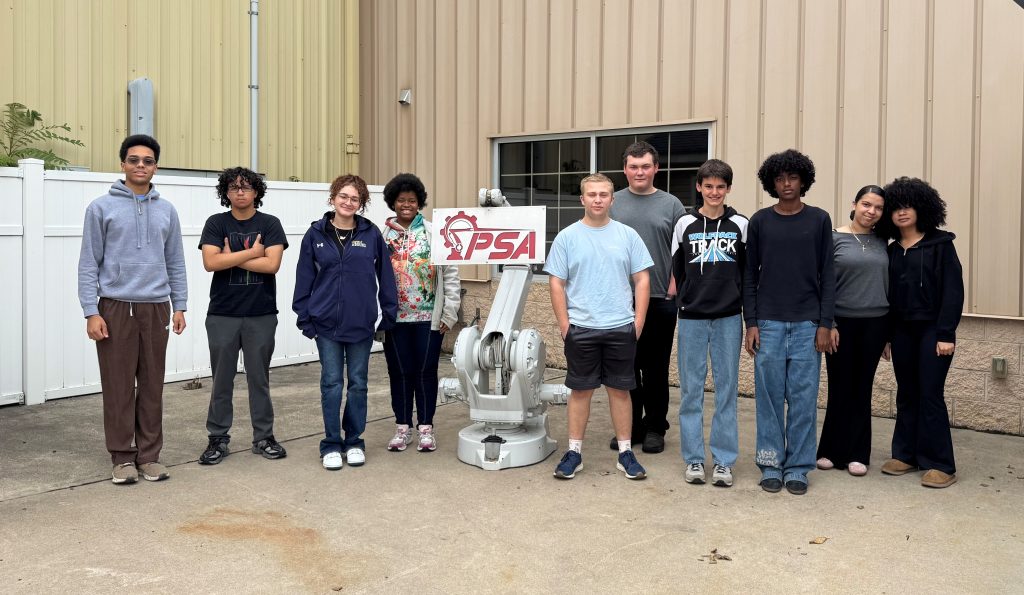
The emerging innovators presented their findings and what they learned after they received their certificates of completion. From learning MATLAB (a computing platform that is used for engineering and scientific applications) and Computer Numerical Control (CNC) machines to applying ladder logic to navigate electric circuitry, to assembling robots and dissecting drones and more, students were guided through mentorship, learned through practical discovery and observed working in a collaborative professional engineering environment.
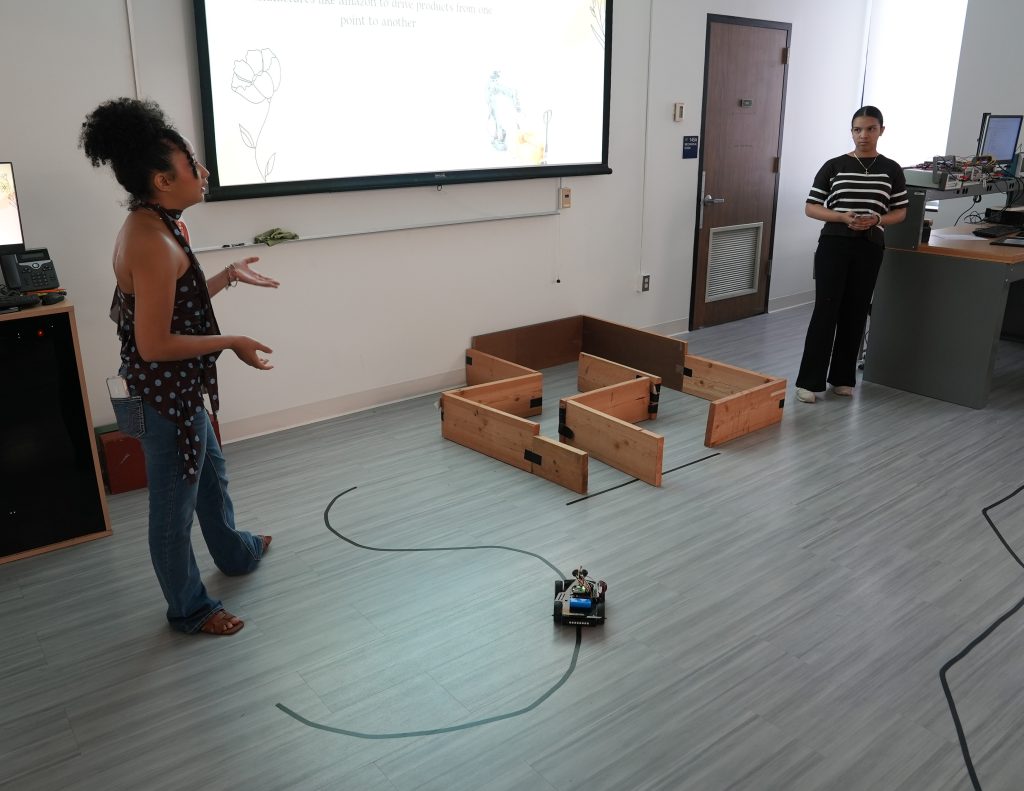
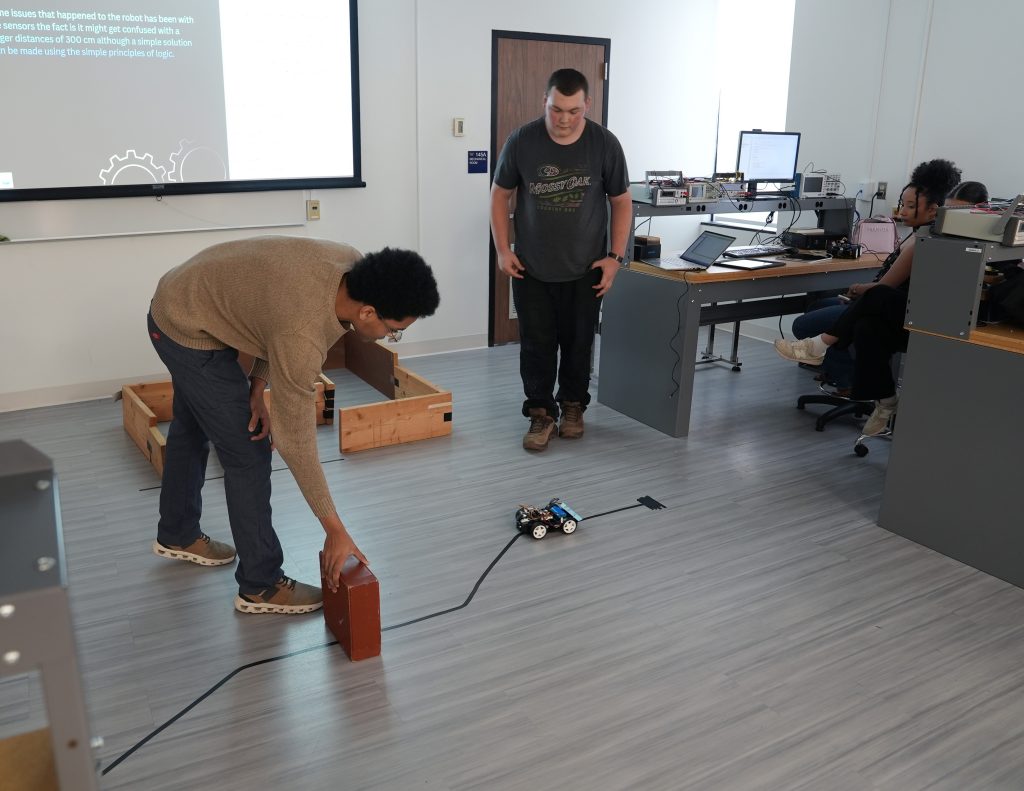
“Seeing our first cohort apply AI and robotics to real-world challenges, work alongside industry professionals and gain confidence in their own abilities has been incredibly rewarding,” says Sabouni. “We are very proud of what these students have accomplished and excited about where this experience may lead them.”
The majority of the students expressed how this immersive program has impacted their paths, with one student saying that the program “changed my future so much, I actually want to be an engineer.” Some see their future in studying mechanical engineering or setting their sights on becoming an aerospace engineer. Another student equated the fun experience to “playing,” and perhaps learned the most important lesson of all: “Do what you love.”