Collaboration between academic disciplines often is a matter of finding shared interests. In Andy Miller and Jeff Stratford’s case, they found common ground in a cup of coffee.
Miller, a political science professor, and Stratford, a biology professor and chair of biology and earth systems science, have been collaborating since 2017 on interdisciplinary study of the coffee industry in Costa Rica. Their work has included an annual service-learning spring break trip to visit coffee farms, co-teaching two classes on the subject and a book, Sustainable Coffee in Costa Rica: Solutions for People, Economic Development, and Biodiversity (Bloomsbury 2025).
Because coffee has driven Costa Rica’s economy since the mid-19th century, its impact is significant, a fact affirmed by the country’s 38,000 coffee farmers. The book analyzes the intersection of politics, economic development and environmental sustainability in coffee production in a country.
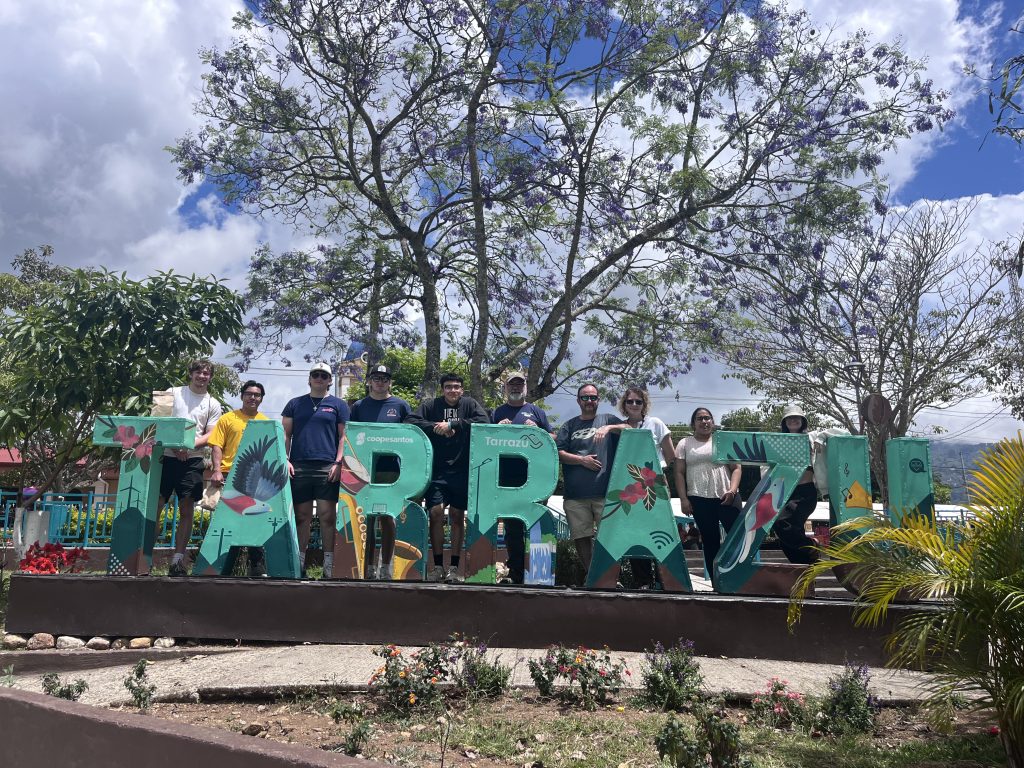
Teaching Wilkes students is central to their collaboration. It is reflected in the book, which combines information gathered on their annual student trips to Costa Rica and content from the curriculum for the two classes they co-teach in alternating years: Political Economy and Ecology of Coffee and Ecotourism and Ecology in Costa Rica. Students in the classes go on the spring break trip to the Central American country.
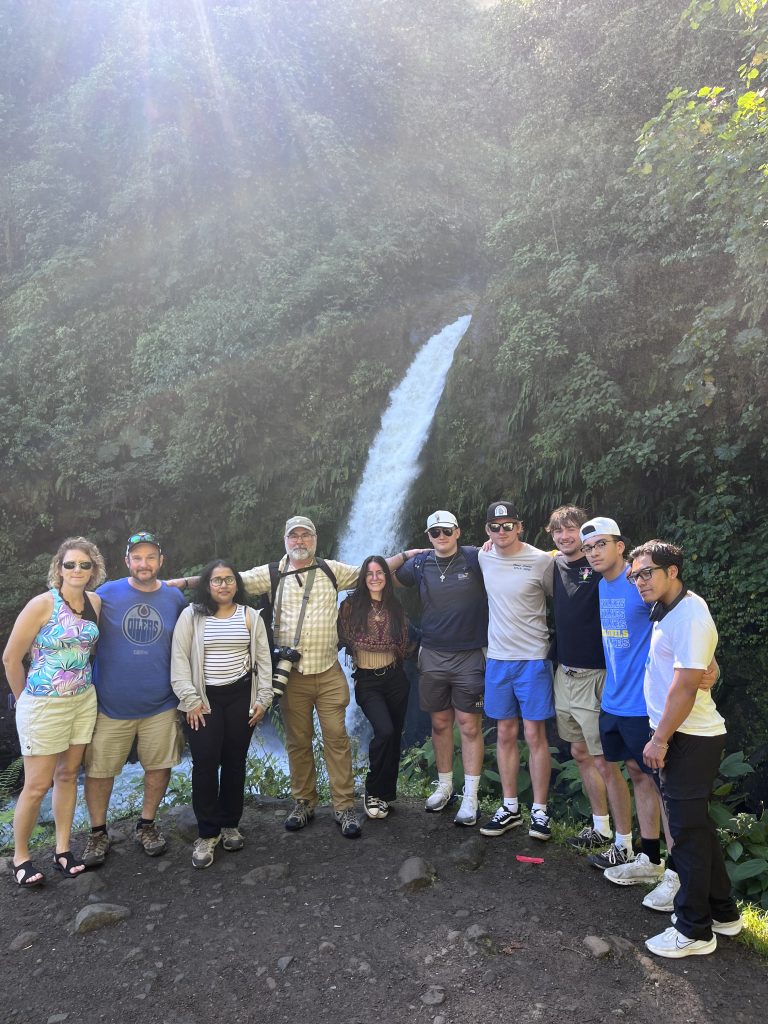
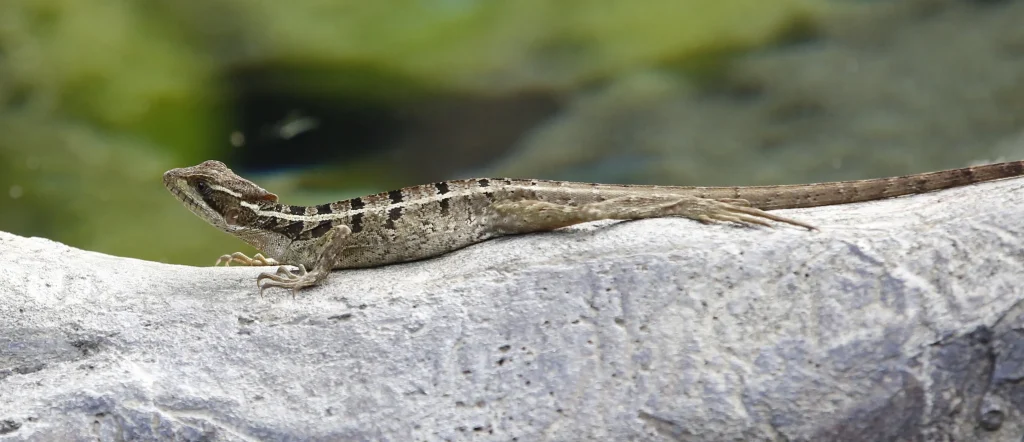
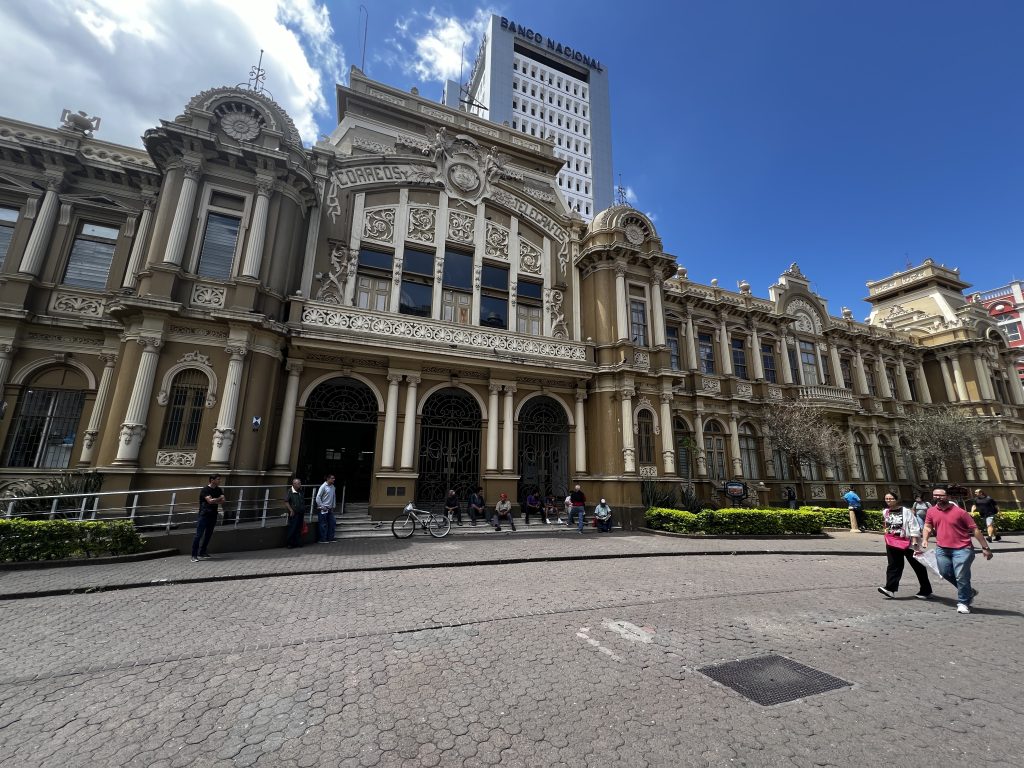
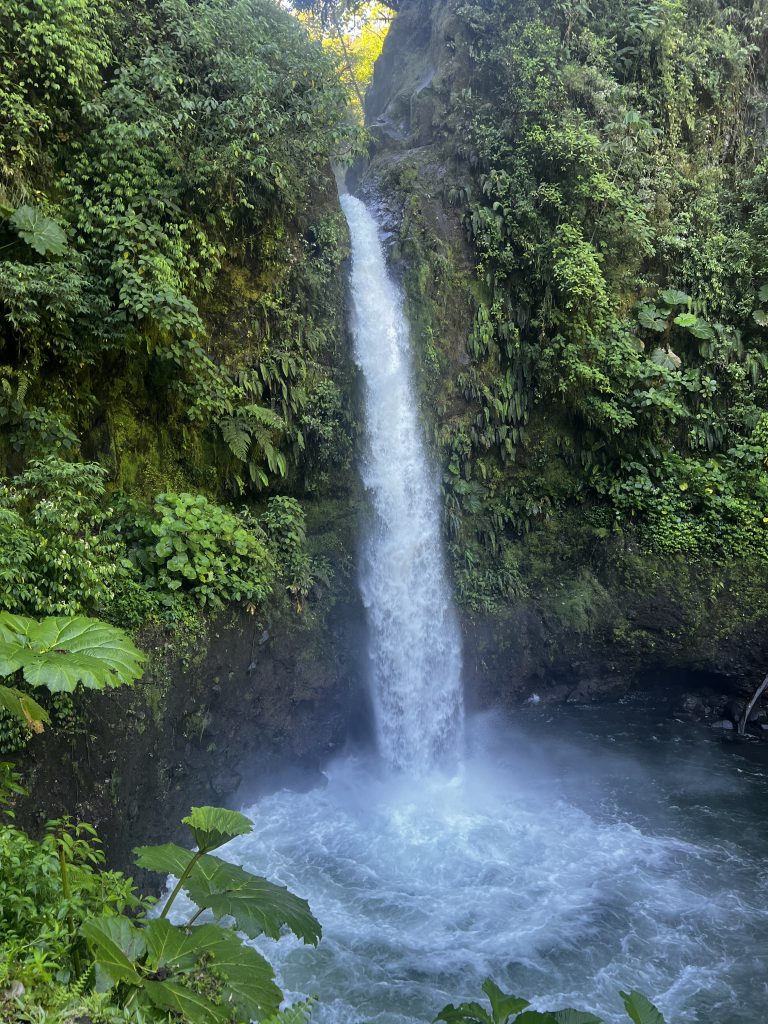
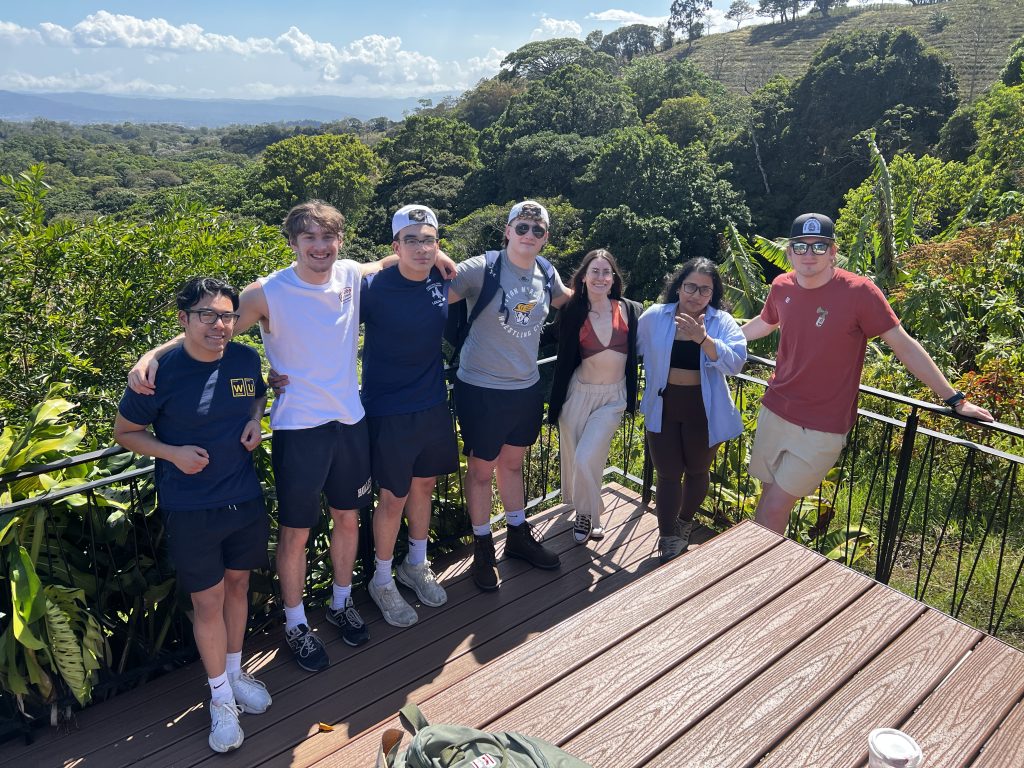
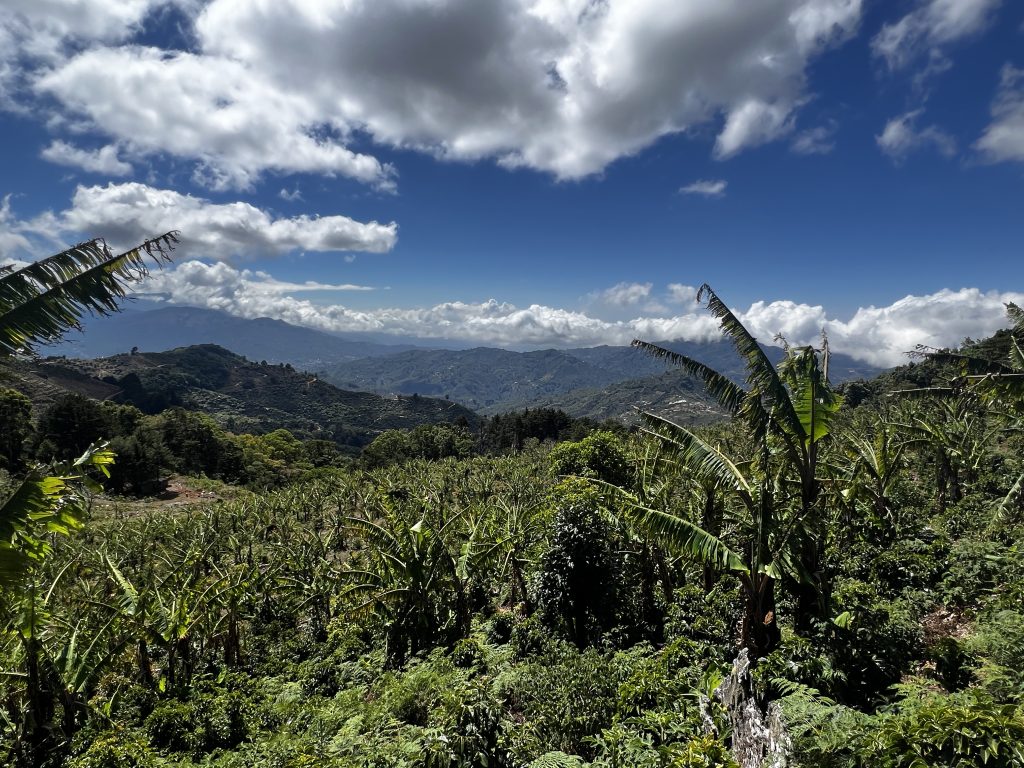
The professors’ collaboration began nine years ago when Miller invited Stratford to join him leading the Costa Rica trip. It was a natural fit: Miller had long studied Central American countries and Stratford has a long history of working in the tropics, including nearly two years researching in Brazil. Collaborating to develop an interdisciplinary approach benefits students, they note. “It’s more real, because things are interconnected,” Stratford says. Otherwise, students are seeing topics through a single lens. “As a political scientist, everything is a policy issue,” Miller jokes.
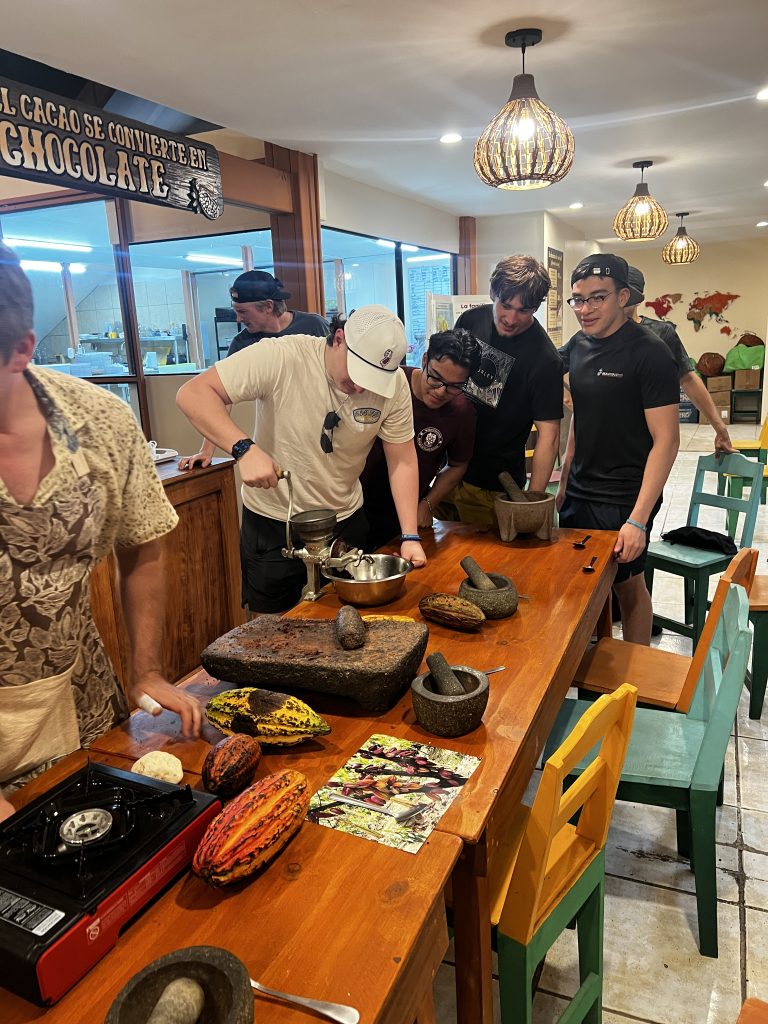
The two professors have leveraged the popularity of coffee to pique students’ interest. “I always joke with students on the first day that the class is called The Political Economy and Ecology of Coffee to get you to sign up,” Miller says. By choosing an accessible approach, it attracts students from many majors. In addition to teaching about topics like the impact of currency exchange rates on coffee growers’ profits and how coffee farms get rid of waste (“That’s a question on an exam.”), the professors serve different kinds of coffee in class each Friday for students to sample. “I tell them to taste it purposefully and think about what you smell and taste,” says Miller. More than just a coffee break, the exercise prepares to appreciate different grades of coffee that command different prices in the marketplace. Tasting coffee at coffee farms is part of the spring break trip.
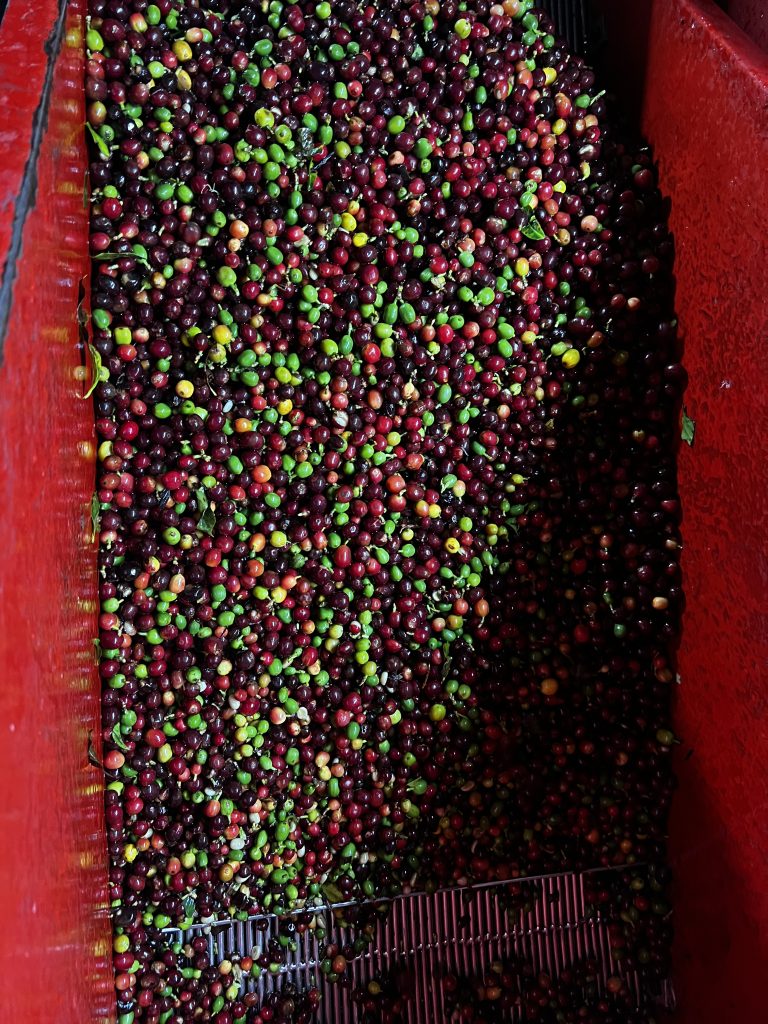
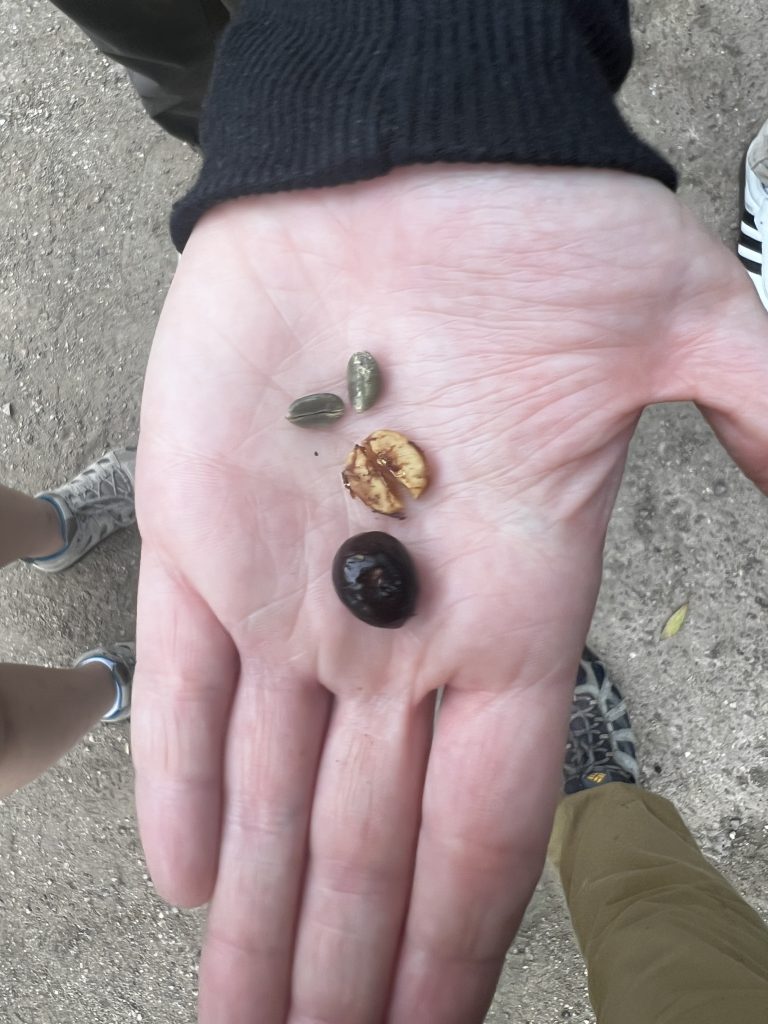
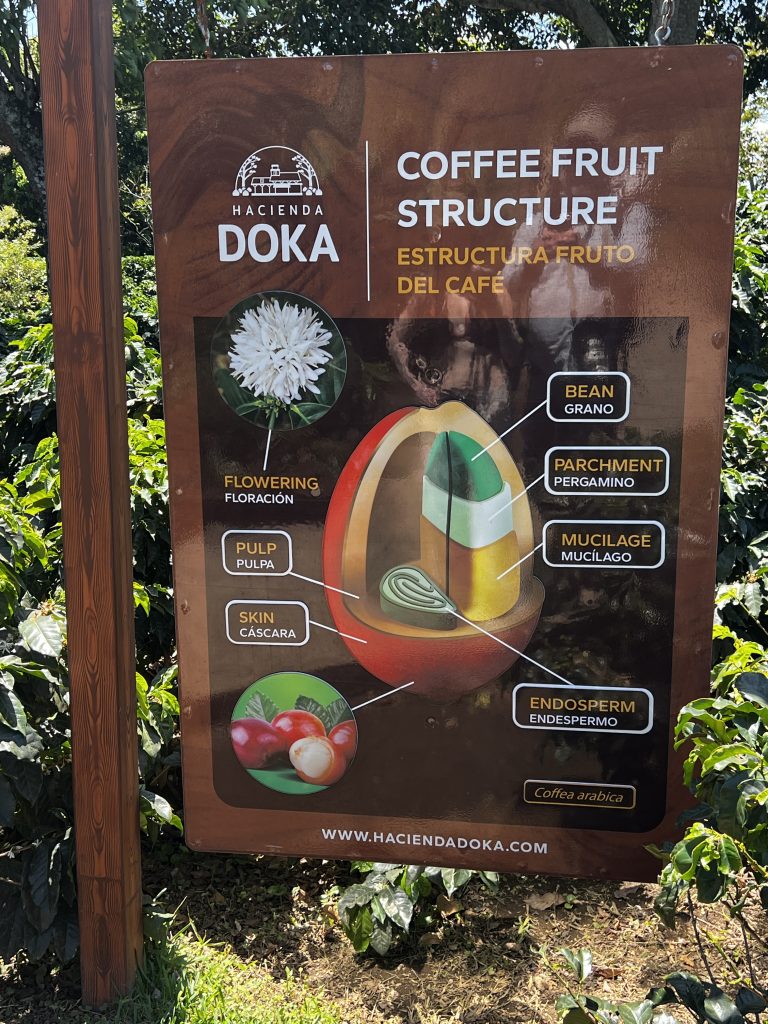
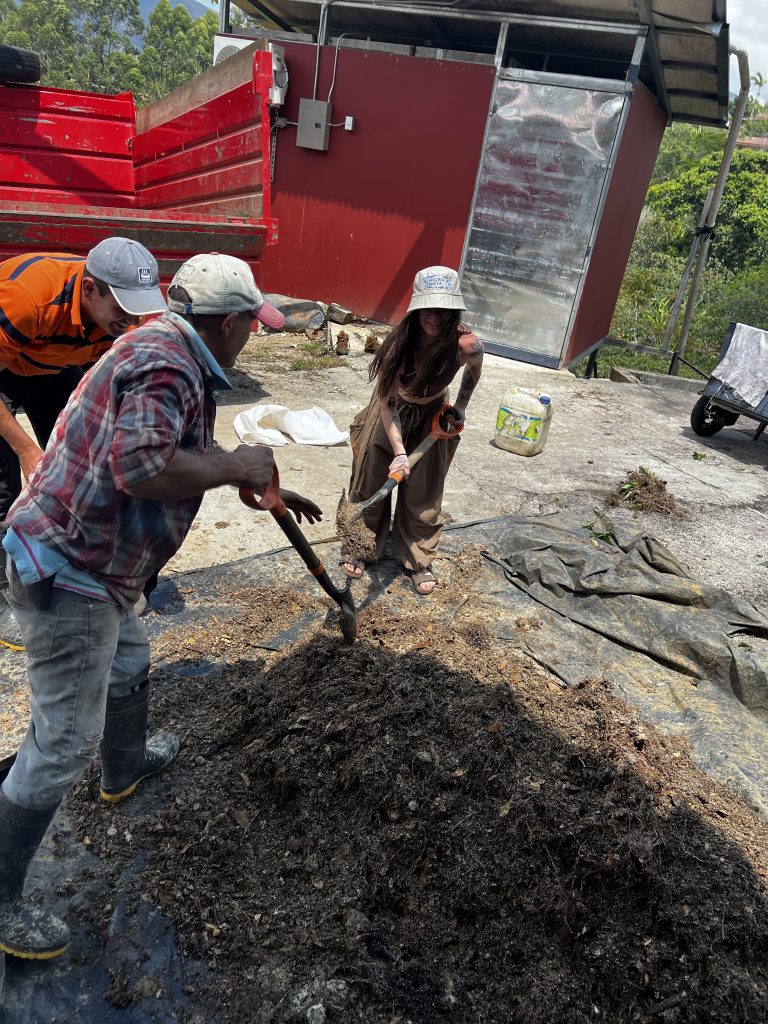
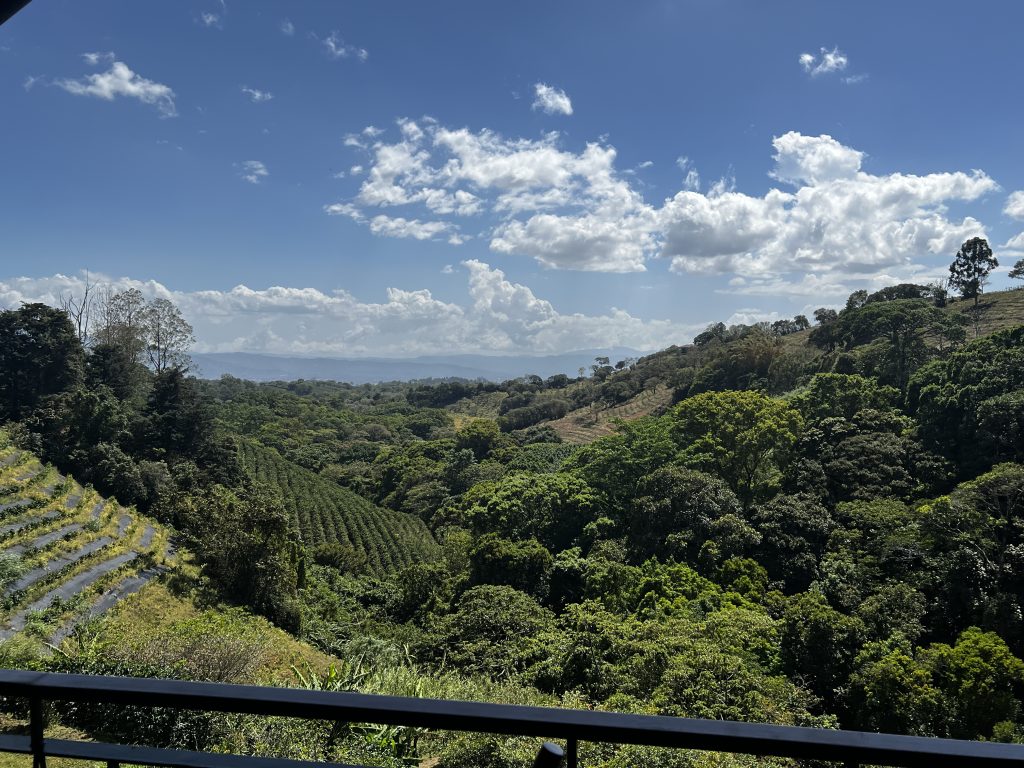
As a biologist, Stratford introduces lessons that explain different farming methods that influence the perceived quality and price of coffee, such as whether coffee is grown in shade, partial shade or full sun. Visiting the farms is eye-opening for students, he says. “Coffee isn’t a thing that grows on supermarket shelves: It comes from the land.” Talking about coffee as a living organism includes discussing topics like pollination and diseases affecting the plants, while also providing surprising answers to questions like “Why does it have caffeine in it?” The answer: It’s an anti-herbivore chemical aiding in pest control, Stratford explains, adding, “If you have a tiny bug eating that caffeine, it’s essentially a toxin.”
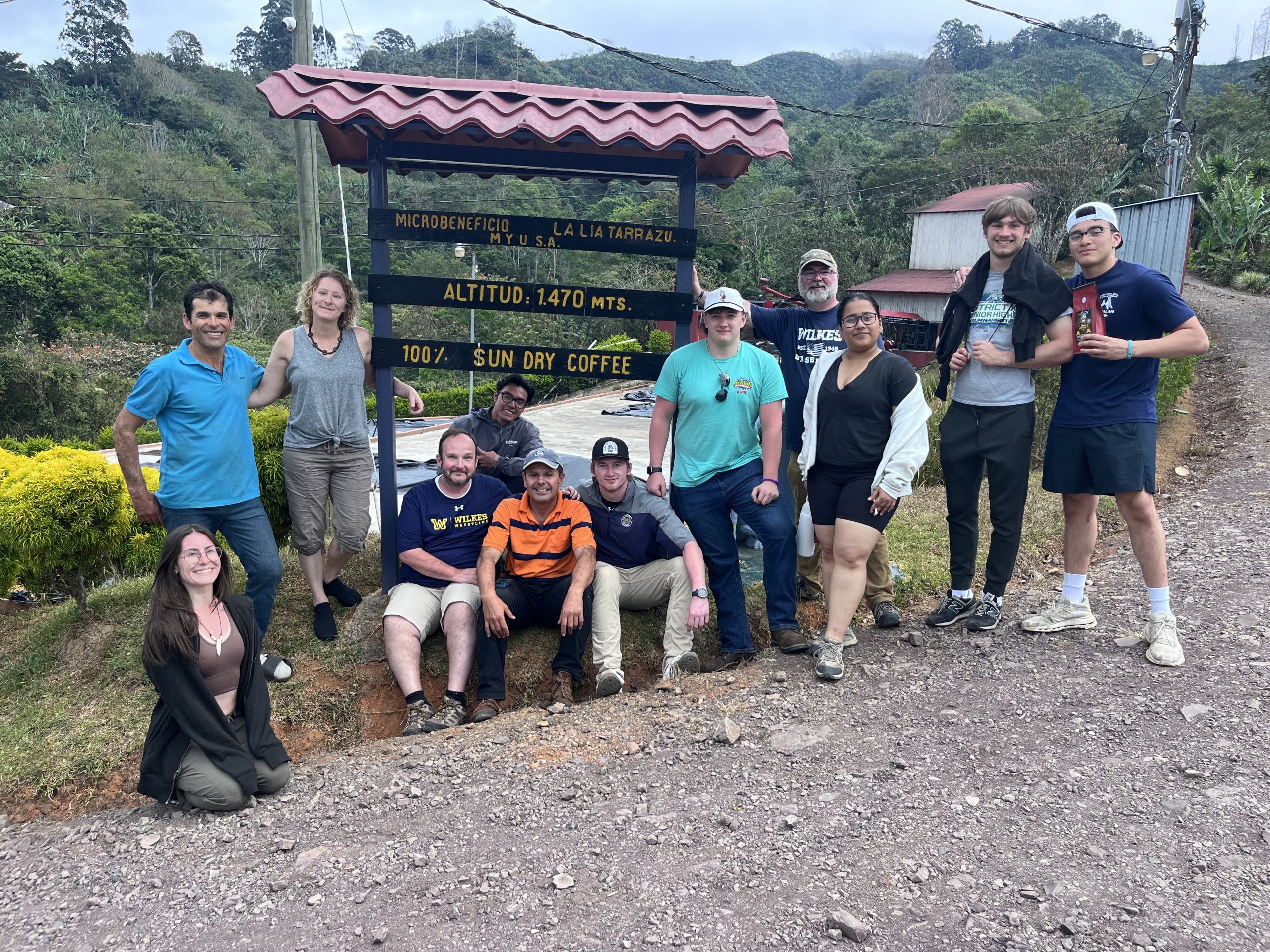
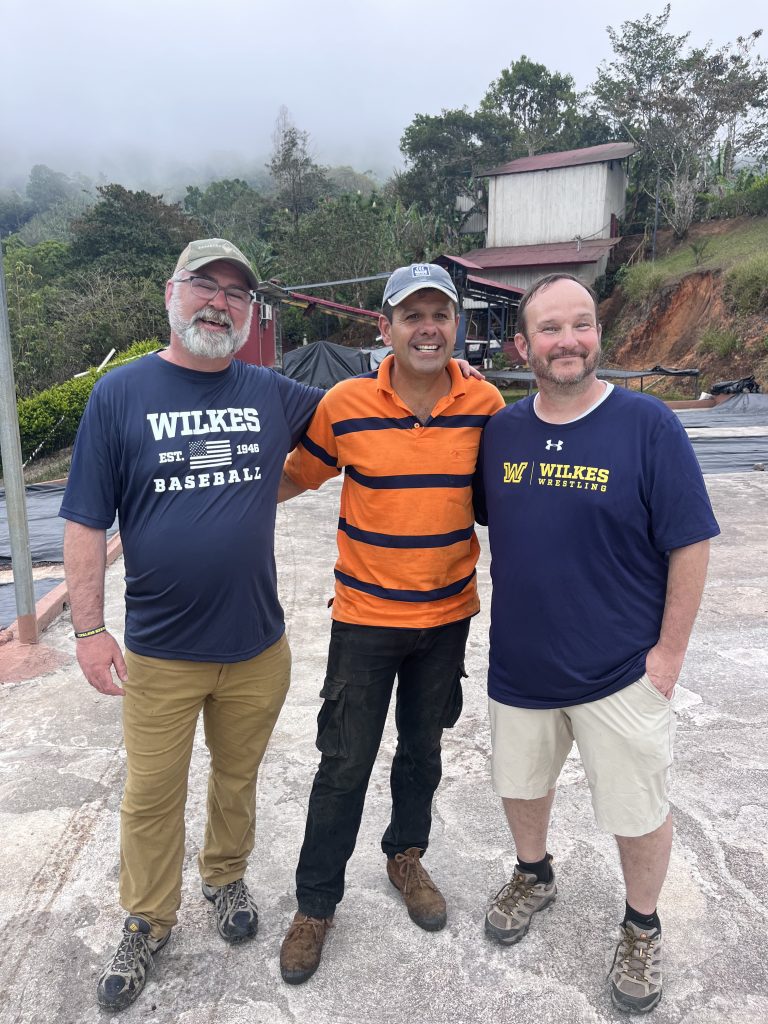
The two case studies of coffee farms featured in their book are stops on the trip to Costa Rica, each illustrating different aspects of the coffee industry. For example, the CoopeTarrazu cooperative collects high quality coffee, selling it above market prices to large companies such as Starbucks and Green Mountain. In contrast, Beneficio La Lia Tarrazu, owned by brothers Luis Alberto and Oscar Monge, sells luxury coffee produced in an exacting production process. Students on the spring break trip get to see the two operations firsthand.
“One of the things I like about taking students to meet Luis Alberto and his brother is to show them, in a way that they never have experienced, what excellence looks like,” Miller says. With their commitment to a farming process that Miller describes as “exacting,” their farm has earned their coffee the Cup of Excellence, the top coffee prize in Costa Rica.
Miller and Stratford say that their collaboration has enriched both their teaching and their published book. “We may have incomplete knowledge of each other’s fields, so it was a great thing to have all the pieces come together in the book,” Stratford says.